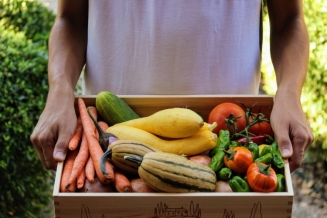
Although the Gulf Cooperation Council (GCC) states have limited climatic capabilities to perform traditional agricultural activities, food safety and security are not an issue because the states are capital-rich and have no foreign exchange limitation on food imports. Due to their robust fiscal position resulting in high buying power, these countries have traditionally been less
The final day of Arabian Travel Market’s virtual event, ATM Virtual, saw a panel of tourism experts discuss the opportunities in the region to kick-start sustainable investment in the hospitality sector. The session, ‘Restructuring to Attract Sustainable Development and Customers in the New World Order’, moderated by BBC presenter and broadcaster, RajanDatar, and in collaboration
At a time when face to face communication has not be possible as a result of the global COVID-19 pandemic, the face of travel technology has evolved with consumers turning to messaging to interact with all forms of travel brands from airlines to hotels and resorts, industry experts revealed during the debut Travel Forward at
During an interview with aviation industry consultant John Strickland, during ATM Virtual, Wizz Air CEO, Joszef Varadi, confirmed his ambitions for the low-cost carrier’s impending move to operate out of Abu Dhabi. “If you look at what we’ve been able to achieve in the EU, we managed to grow our fleet to 100 aircraft over
Today, Spotify launched the Spotify COVID-19 Music Relief project in the Middle East and North Africa region, in partnership with the Arab Fund for Arts and Culture (AFAC). The project aims to raise funds for artists within the music industry who are deeply impacted by COVID-19 with the support of AFAC’s Artist Support Grant program.
With the spread of coronavirus under control and domestic leisure travel growing, Middle East travel professionals are now looking to China to initiate international tourism. A joint survey conducted by the Ivy Alliance Tourism Consulting, China Comfort Travel Group (CCT), and Pacific Asia Travel Association (PATA), was discussed by a panel of experts during the
From understanding the needs and challenges of people as they work from home to looking to future demands as people return to the workplace, what we’re discovering now is the Good for Me, Challenging for We. The ‘we’ parts of employee roles—creativity, spontaneous interactions, and learning—appear to be the activities that respondents are struggling with most